

Choosing the right sex toy material is one of the most important decisions you’ll make, affecting everything from comfort and performance to safety and longevity. While premium materials can last for years and feel incredible, lower-quality alternatives may be difficult to clean, wear out quickly, or simply fail to deliver the same experience.
This guide explains the most common sex toy materials, how they compare, and which ones stand above the rest. By the end, you’ll know exactly which materials to look for, which ones to approach with caution, and which are best left on the shelf.
How to Evaluate Sex Toy Materials
Not all sex toy materials are created equal. As you compare different options, these are the key characteristics to keep in mind:
- Body Safety: Body-safe, non-toxic materials minimize the risk of irritation and exposure to potentially harmful chemicals.
- Porosity: Non-porous materials don’t absorb moisture or bacteria, making them easier to clean and more hygienic than porous alternatives.
- Firmness: Softer materials provide more cushioning and flexibility, while firmer materials offer greater precision, pressure, and vibration transfer. Firmer materials also tend to be heavier, which can enhance sensations for some toys but feel too intense for others.
- Durability: Higher-quality materials resist cracking, discoloration, and wear, allowing them to maintain their appearance and performance for years.
- Maintenance: Some materials are easier to care for than others, whether that’s using the right lubricant, cleaning thoroughly, or storing them properly.
The Best Sex Toy Materials
While every material has its own strengths, a select few stand out for various reasons, whether that’s exceptional safety, durability, performance, or a unique feel. These are the materials most commonly found in high-quality sex toys and the ones we recommend for the vast majority of shoppers.
That said, there is no single “best” material for every situation. Some materials excel as versatile everyday options, while others are better suited to specific types of toys or unique sensations.
Liquid Silicone: The Gold Standard
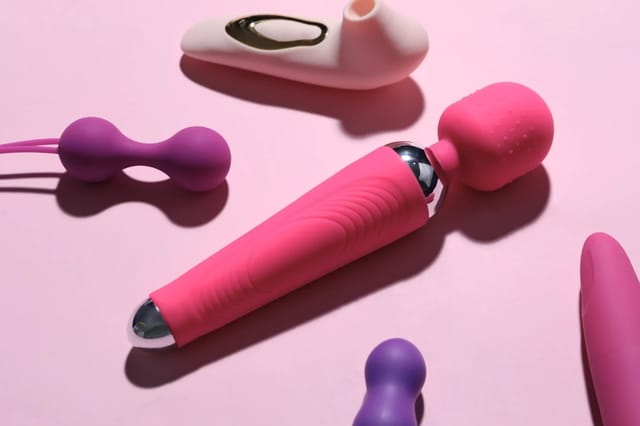
If you’ve shopped for premium sex toys, you’ve probably come across terms like liquid silicone, medical-grade silicone, or platinum-cured silicone. While the terminology can be confusing, they’re all referring to a high-quality silicone that’s become the benchmark for modern sex toys.
The term platinum-cured silicone refers to the manufacturing process used to create this premium material. Compared to older curing methods, it produces a purer, more stable silicone that’s exceptionally durable, flexible, and well suited for intimate use.
Liquid silicone is body-safe, non-porous, odorless, tasteless, and exceptionally durable. Its smooth, velvety finish feels soft against the skin while remaining firm enough to provide satisfying stimulation, making it one of the most versatile materials available.
Because liquid silicone is non-porous, it won’t absorb moisture or harbor bacteria the way porous materials can. With proper care and a water-based lubricant, a quality liquid silicone toy can maintain its appearance and performance for years, making it the gold standard for most vibrators, dildos, and other everyday sex toys.
Solid Silicone: A Close Runner-Up

Solid silicone shares many of the same benefits as liquid silicone, including being body-safe, non-porous, odorless, and easy to clean. The biggest difference lies in how it’s manufactured, with solid silicone typically compression molded rather than injection molded from liquid silicone.
In practice, most users won’t notice a dramatic difference. Solid silicone often feels slightly firmer and less velvety than liquid silicone, but it’s still an excellent choice for high-quality sex toys. If a toy is made from 100% body-safe silicone, you’re already getting one of the safest and most durable materials available.
ABS Plastic: Affordable & Durable
ABS plastic is a hard, non-porous material regularly found in vibrators of all shapes and sizes. While it lacks the soft feel of silicone, it’s lightweight, durable, easy to clean, and typically more affordable.
One of ABS plastic’s biggest advantages is how well it transfers vibrations. Because the material is rigid, very little vibration is absorbed by the toy itself, resulting in stronger, more direct stimulation. This makes ABS plastic a popular choice for toys where powerful vibrations are the priority.
Although it doesn’t have the premium feel of silicone, ABS plastic remains an excellent material when used for the right purpose. In fact, many high-end vibrators combine a body-safe ABS plastic handle with a liquid silicone exterior, giving users the best of both materials.
Stainless Steel: Sleek, Heavy & Built to Last
Stainless steel is one of the most durable materials used in sex toys and has become a favorite among experienced users. It’s completely non-porous, exceptionally easy to sanitize, and compatible with both water-based and silicone-based lubricants.
What truly sets stainless steel apart is its weight. Unlike softer materials, its solid construction creates a satisfying sense of pressure that many people find enhances stimulation. This makes stainless steel especially popular for butt plugs and other anal toys, where the added weight can significantly change the experience, particularly for those exploring double penetration with butt plugs.
Stainless steel also retains heat and cold extremely well, making it ideal for temperature play. While its firmness won’t appeal to everyone, those looking for precision, weight, and a luxurious feel will find it’s one of the most rewarding materials available.
Glass: Elegance Meets Unique Sensations

Despite what many people assume, high-quality glass sex toys are made from borosilicate glass rather than ordinary household glass. This premium material is highly durable, resistant to thermal shock, and designed to withstand normal use without easily breaking.
Like stainless steel, borosilicate glass is completely non-porous, making it hygienic, easy to clean, and compatible with every type of personal lubricant. Its smooth, rigid surface also makes it an excellent choice for temperature play, allowing you to safely experiment with warm or cool sensations.
Glass isn’t as forgiving as silicone, but that’s exactly why many people enjoy it. Its firm feel, elegant appearance, and unique sensations make it a popular choice for those looking to expand their collection or experience something different from a traditional silicone toy.
Materials to Approach Carefully
Not every sex toy material falls neatly into the category of “good” or “bad.” Some offer an appealing balance of affordability, softness, or realism, but come with compromises that are worth understanding before you buy.
While these materials aren’t necessarily unsafe, they typically require more careful maintenance or don’t provide the same long-term durability and hygiene as the premium materials covered above.
TPE: Soft, But High Maintenance
TPE is a soft, flexible material that’s often chosen for its realistic feel and lower price point. It’s commonly used in strokers, sleeves, and other toys designed to mimic the softness of human skin. You may also come across TPR (Thermoplastic Rubber), a closely related material with many of the same characteristics and limitations.
The biggest downside is that TPE is porous, meaning it can absorb moisture, oils, and bacteria over time. Even with thorough cleaning, it can’t be sanitized as effectively as non-porous materials like silicone, stainless steel, or glass. As a result, TPE toys generally have a shorter lifespan and require extra care to keep them clean.
PVC: Quality Varies Widely
PVC (polyvinyl chloride) has been used in sex toys for many years and can range from relatively safe to poor quality depending on how it’s manufactured. Some modern PVC toys are made without phthalates, while cheaper versions may still rely on plasticizers to achieve a softer feel.
Because quality varies so widely, it’s difficult to judge a PVC toy based on the material alone. If you’re considering one, buy from a reputable brand that’s transparent about the materials it uses. Otherwise, you’re often better off investing in a toy made from one of the premium materials discussed earlier.
Jelly Rubber: Better Left Behind
Jelly rubber was once one of the most common sex toy materials thanks to its low cost and flexibility, but it has largely fallen out of favor. It often has a noticeable chemical odor, can feel sticky over time, and is typically found in inexpensive toys.
Most importantly, jelly rubber is porous and has historically been associated with phthalates and other plasticizers, although formulations vary by manufacturer. Given the availability of safer, longer-lasting alternatives, there’s little reason to choose a jelly toy today unless the manufacturer can clearly demonstrate that it meets modern body-safe standards.
Materials to Avoid
While most reputable manufacturers now use body-safe materials, some lower-quality products still rely on outdated ingredients or fail to disclose what they’re made from. When in doubt, it’s always better to choose a trusted brand that’s transparent about its materials.
- Products containing phthalates: Phthalates are chemicals once commonly added to plastics to make them softer and more flexible. Although their use has declined significantly, they can still appear in some inexpensive toys from unknown manufacturers. Since sex toys come into prolonged contact with sensitive areas of the body, it’s best to choose products that are clearly labeled as phthalate-free.
- Products with undisclosed materials: If a product listing doesn’t clearly state what a toy is made from, consider it a red flag. Reputable brands are transparent about the materials they use, making it much easier to verify that a toy is body-safe and made to a high standard.
Recap (With Comparison Table)
Every material offers a different balance of safety, comfort, durability, and performance. If you’re still deciding which option is right for you, the comparison table below summarizes the strengths, tradeoffs, and ideal uses of each material at a glance.
| Material | Body‑Safe | Non‑Porous | Feel | Best For | Lubricant | Overall |
|---|---|---|---|---|---|---|
| Liquid Silicone | ✅ | ✅ | Soft | Most toys | Water‑based | 5/5 ★ |
| Solid Silicone | ✅ | ✅ | Less soft | Most toys | Water‑based | 4/5 ★ |
| ABS Plastic | ✅ | ✅ | Hard | Vibrators | Any | 4/5 ★ |
| Stainless Steel | ✅ | ✅ | Firm/heavy | Anal toys, temperature play | Any | 5/5 ★ |
| Glass | ✅ | ✅ | Firm | Temperature play | Any | 5/5 ★ |
| TPE | Usually | ❌ | Very soft | Budget, realistic toys | Water‑based | 2/5 ★ |
| PVC | Varies | ❌ | Varies | Budget | Varies | 2/5 ★ |
| Jelly | Varies | ❌ | Soft | Generally not recommended | Varies | 1/5 ★ |
For most people, liquid silicone remains the best all-around choice, offering the ideal balance of safety, comfort, durability, and long-term value. That said, the “best” material ultimately depends on the toy itself. Stainless steel and borosilicate glass excel in situations where firmness, weight, or temperature play are part of the experience, making them exceptional choices for many anal toys and specialty products.